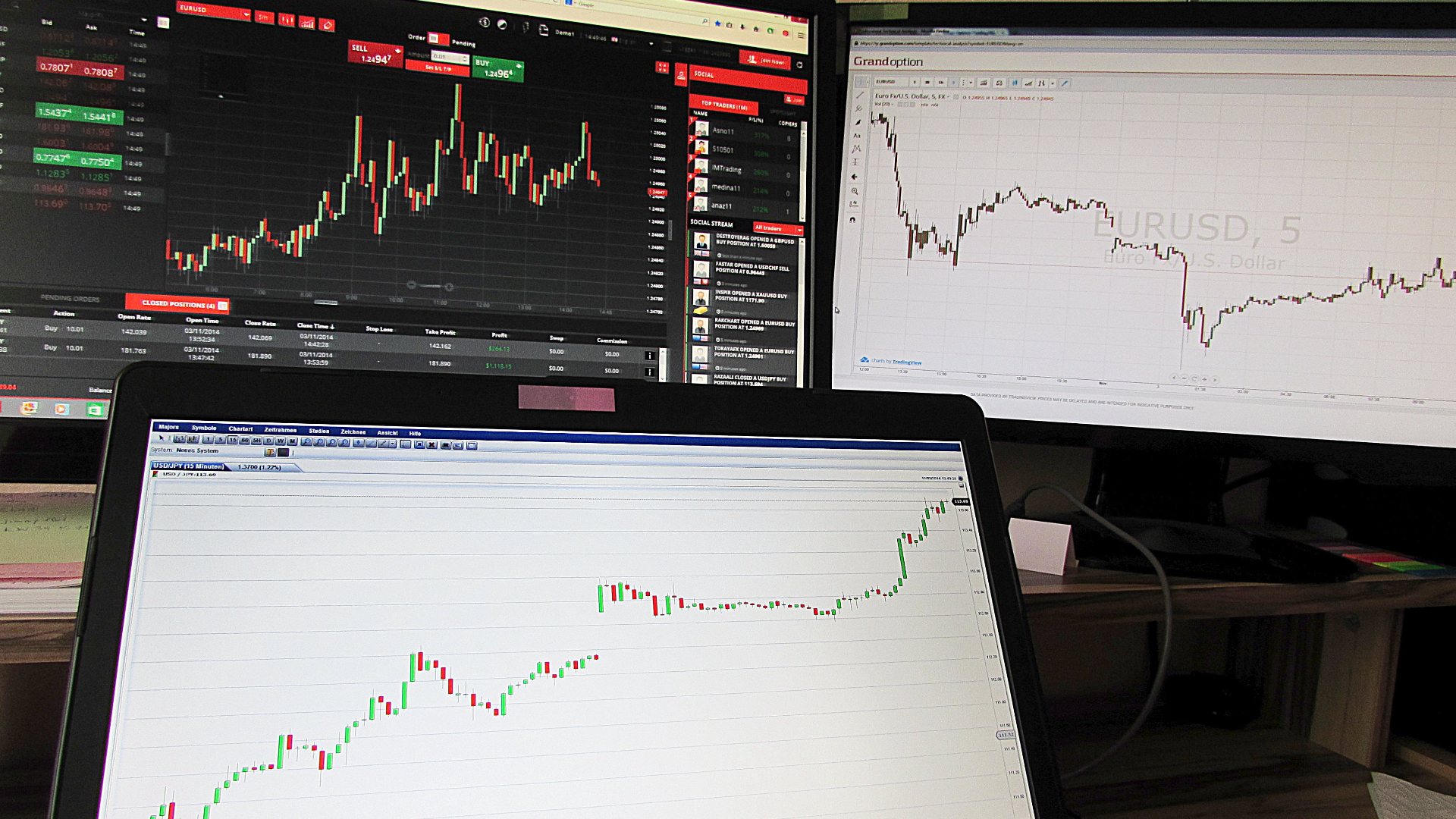
What 11+ Years in the Forex Market Has Taught Me
Markets change, strategies evolve and opportunities come and go. The principles that keep a trader grounded, however, often become clearer with experience.

Paul Mugenda Mwangi
Forex Trader · Investor · Mentor

When I first became interested in the forex market, I assumed the most important skill would be finding good entries. More than a decade later, I see it differently. Entries matter, but they are only one small part of what keeps a trader in the market long enough to keep learning.
These are not rules for guaranteed results. They are lessons that have become clearer through years of analysis, practical participation, mistakes and review.
1. Risk is the decision, not an afterthought
A trade is not just an idea about direction. It is a decision about how much capital you are willing to expose to being wrong. Defining that before entering a position changes the way you think about every opportunity.
2. The market tests the trader more than the strategy
Many approaches look sound on paper. The difficulty is following a process when emotion begins to influence decisions — after a loss, after a run of wins, or when the market simply does nothing for days.
Signs emotion is leading the process
Increasing position size to recover a previous loss. Entering trades because of boredom rather than analysis. Moving a predefined invalidation level because you "feel" the trade will turn. Skipping the review because the outcome was uncomfortable.
“Success in trading is not about predicting every move. It is about making disciplined decisions when the outcome is uncertain.”
3. Think in probabilities, not certainties
No setup guarantees an outcome. Once you accept that, a single losing trade stops feeling like a verdict on your ability. The question becomes whether the decision followed your process — not whether it happened to win.
4. Review is where development happens
Markets change, and traders must be willing to review their decisions and continue learning. Journaling, revisiting mistakes and identifying recurring patterns in your own behaviour is slow work — but it compounds.
One trade does not define a trader. Long-term behaviour matters more than a single outcome. That, more than any strategy, is what experience has taught me.